
Book Review: Walk Two Moons and Monster
- Jillian
- Nov 17, 2025
- 4 min read

Updated: Jan 13
Hello! This week I am reviewing Walk Two Moons by Sharon Creech and Monster by Walter Dean Myers. I had a librarian recommend the first book, while the second is one the 8th graders are reading in class at Massillon.

Walk Two Moons by Sharon Creech
Walk Two Moons is a novel about a young adolescent girl who goes on a road trip adventure with her quirky grandparents. The novel itself is a braided story between the road trip and Salamanca’s (the main character) normal life with her best friend, Phoebe. During the road trip, Sal’s grandparents ask her about her friendship with Phoebe and are curious about the strange letters Sal and Phoebe are receiving.
The famous quote from the book is, “Don’t judge a man until you’ve walked two moons in his moccasins.”
One of my favorite quotes from the book, “What I have since realized is that if people expect you to be brave, sometimes you pretend that you are, even when you are frightened down to your very bones.”
The writing style is simple and direct. However it is difficult to understand that Sal steals a car and drives three hours to see the car accident scene where her mom was killed. There is also some confusion in the text on why Phoebe’s mom left her family. There is a random romance in the novel between Sal and Ben. During the plot, Sal’s grandmother got bit by a snake, and there was a random boy who helped save her.
The story shows the importance of long lasting relationships between Sal’s grandparents, both of them have some funny sayings because they are older and both characters speak with a dialect. Because Sal is Native American, her grandmother has a way with her words to Sal to bring her closer to her heritage. Even though she isn’t much of a girly character, she receives compliments on her hair throughout the book. Sal is a quieter character and the reader doesn’t receive a lot of internal dialogue from her. Sal driving a car three hours by herself is super brave, and eventually she gets caught by the police. The book ends with Sal back at home with her dad and her grandparents remembering the details of the roadtrip. Because the book is YA, there isn’t a lot of symbolism, figurative language, or hidden meanings in the text.
A super shocking part of the book is when Sal’s grandmother is bitten by a snake and needs to go to the hospital. Sal is concerned, and there was a strange character who was insisting that the family was on private property when they went for a quick swim to cool themselves off from the summer heat. He apologized in the hospital for lying, and Sal’s grandmother's injury was treated.
Healthy relationships are a big part of the book. Themes in the book include family, friendship, adventure, and trusting one’s self. The book is a good choice for class discussion, analyzing a narrator's point of view, and examining the importance of family and friends in one's life.
Monster by Walter Dean Myers
Monster is a novel about a 16 year old boy who is on trial because he is assumed to have shot a store owner in Harlem, NY and had an agreement/ plan with other juvenile delinquents. Steve Harmon is the main character, and throughout the book the reader follows his court case to determine if he is guilty or innocent.
There are many different styles of writing used in the book because it’s structured as a screenplay. There are opening credits, lines as if the characters are in a play, and then there are descriptive parts in the book, describing the scenery and the mood the author (Steve Harmon) is trying to convey.
The character Steve Harmon is reluctant to testify at first. He realizes after talking to Miss O’Brien that he has to testify or the jury will not believe him. As the story progresses, the jury realizes that Steve is innocent.
The character Steve Harmon is honest with both his past and his current living situation. He describes life in prison, and constantly being scared. He also describes his life before the robbery at the convenience store.
The themes of justice, crime, right vs. wrong, and human rights are seen throughout the book. There is an emphasis on Harlem having good citizens in the neighborhood, but it also highlights that there are law breakers and thieves in the community also. There are scenes of life in jail for Steve, the setting of the Harlem neighborhood, and the courtroom.
Steve Harmon is worried what his lawyer thinks of him and how that will affect his court case.
There are a few important sections in the back of the book that explain that Dean Walter Myers is from Harlem and he discusses the importance of writing to a young audience and he also explains that writing helped him when was young.
It was confusing during the book when the author spent a lot of time in the courtroom with the academic jargon that follows.
The most significant quote from the book was, “If you don’t testify, you’ll just make the tie between you and King stronger in the mind of the jury. I think you have to testify. And the way you spend the rest of your youth might well depend on how much the jury believes you.”
Both books have nice writing styles and strong themes that are geared towards a YA audience. If I was teaching I would teach Walk Two Moons with a younger grade (5-6) and Monster with the older grades (7-9). The screenplay set up is interesting in Monster, and Walk Two Moons would be a good book to read as a class. Both books could lead to academic class discussions.
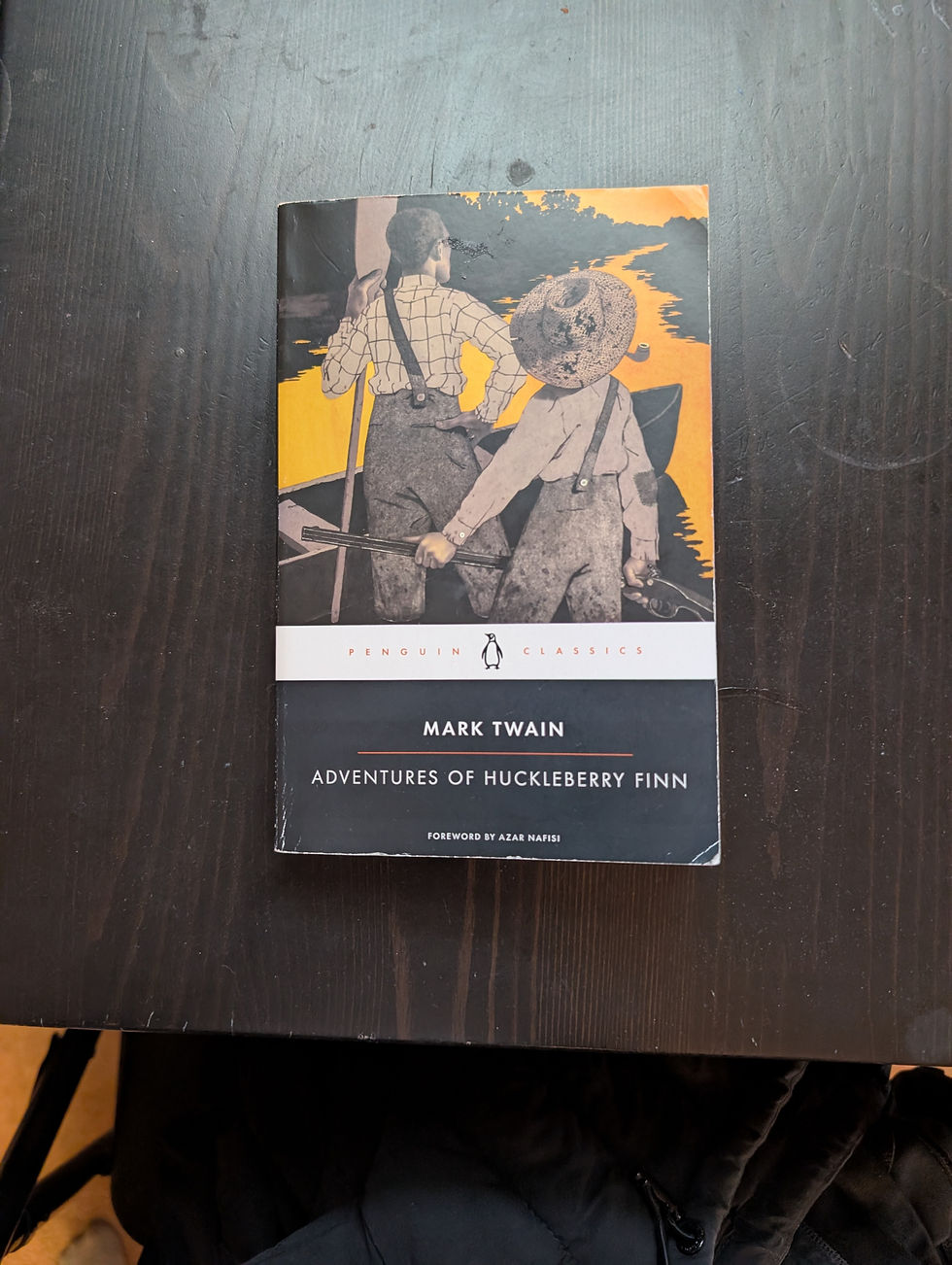
In my next blog post, I am hoping to get through more books that are classics in education settings that I haven’t had the chance to read yet (Huckleberry Finn, My Sister’s Keeper, Kite Runner, Gone with the Wind, etc.) I’m also hoping to still read and write about YA books that I haven’t read. Thank you for reading!



Comments